



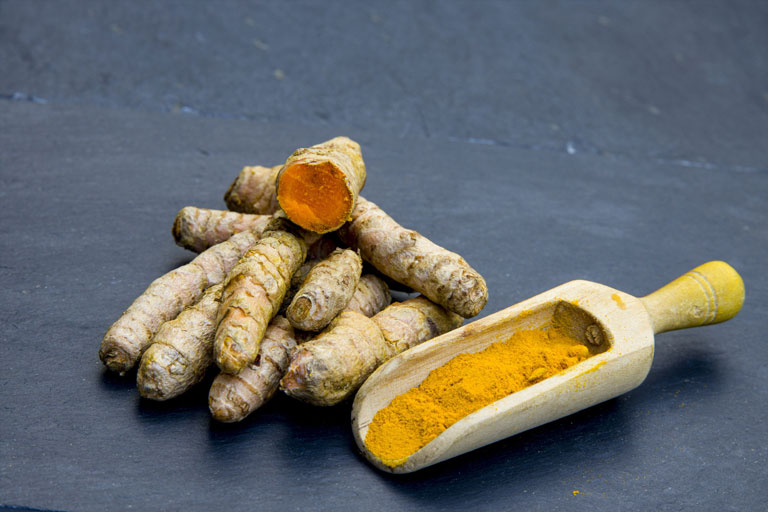
Pahadi Haldi
The Journey of Pahadi Haldi: From Soil to Your Kitchen
At iiza organic products, every product carries the essence of the Himalayas. Our organic haldi (turmeric) is cultivated and processed in the pristine environment of Nainital, Uttarakhand, where the fresh mountain air, fertile soil, and natural farming practices give it unmatched purity and flavor. But have you ever wondered how haldi is actually formed and prepared before reaching your kitchen? Let’s take you through the entire process.
1. Cultivation of Turmeric (Haldi)
Turmeric, scientifically known as Curcuma longa, belongs to the ginger family. Its journey begins in the fertile soil of Uttarakhand. Farmers prepare the land during the early summer, making it loose and rich in organic matter. Small rhizomes (seed pieces of turmeric root) are planted under the soil before the monsoon rains arrive.
The crop loves warm, humid conditions, and Uttarakhand’s climate provides the perfect environment. Within weeks, green leafy plants begin to sprout, marking the beginning of haldi’s growth journey.
2. Growth and Nurturing
Over the next 7–9 months, the turmeric plant matures underground. Farmers in Nainital use traditional and organic methods — no chemical fertilizers or pesticides, only natural compost and cow dung manure. Regular weeding, mulching, and watering ensure the rhizomes grow strong and healthy.
The leaves above ground capture the sun’s energy, while underground, the rhizomes develop their golden-yellow color, packed with curcumin — the compound that gives turmeric its medicinal power.
3. Harvesting the Golden Root
By late winter, the leaves of the turmeric plant begin to dry, signaling that the crop is ready for harvest. Farmers carefully dig out the rhizomes from the soil. Each plant gives clusters of turmeric roots, which are then separated, cleaned, and sorted.
The sight of freshly harvested turmeric is a moment of joy — the roots glowing with the earthy fragrance of the Himalayas.
4. Boiling and Curing
Fresh turmeric cannot be used directly. To bring out its vibrant color and long shelf life, the rhizomes are first boiled in water for several hours. This process removes raw odor, gelatinizes the starch, and enhances the deep golden hue.
After boiling, the turmeric is left to dry under natural sunlight for 10–15 days. In Nainital’s pure environment, this drying process happens naturally, preserving the authenticity and flavor of the spice.
5. Polishing and Grinding
Once dried, the turmeric rhizomes are hard and rough. They are then polished to remove the outer skin and improve their appearance. Traditionally, this is done by rubbing the dried roots against a hard surface or in special polishing drums.
Finally, the polished turmeric is ground into a fine powder — the haldi that adds color, aroma, and health benefits to your food. At iiza organic products, we use stone-grinding methods to retain maximum nutrients and natural oils.
6. Packaging with Purity
The turmeric powder is carefully packed in hygienic, eco-friendly packaging, ensuring that no moisture or dust enters. This keeps the haldi fresh and chemical-free until it reaches your kitchen.
Grown in the natural soils of Nainital, Uttarakhand
100% organic, free from chemicals and pesticides
Rich in curcumin for maximum health benefits
Hand-harvested, sun-dried, and stone-ground
Packed with purity and care